
Navigating Texas Multifamily in 2025: Laws, Markets, and Lubbock’s Buyer-Friendly Climate
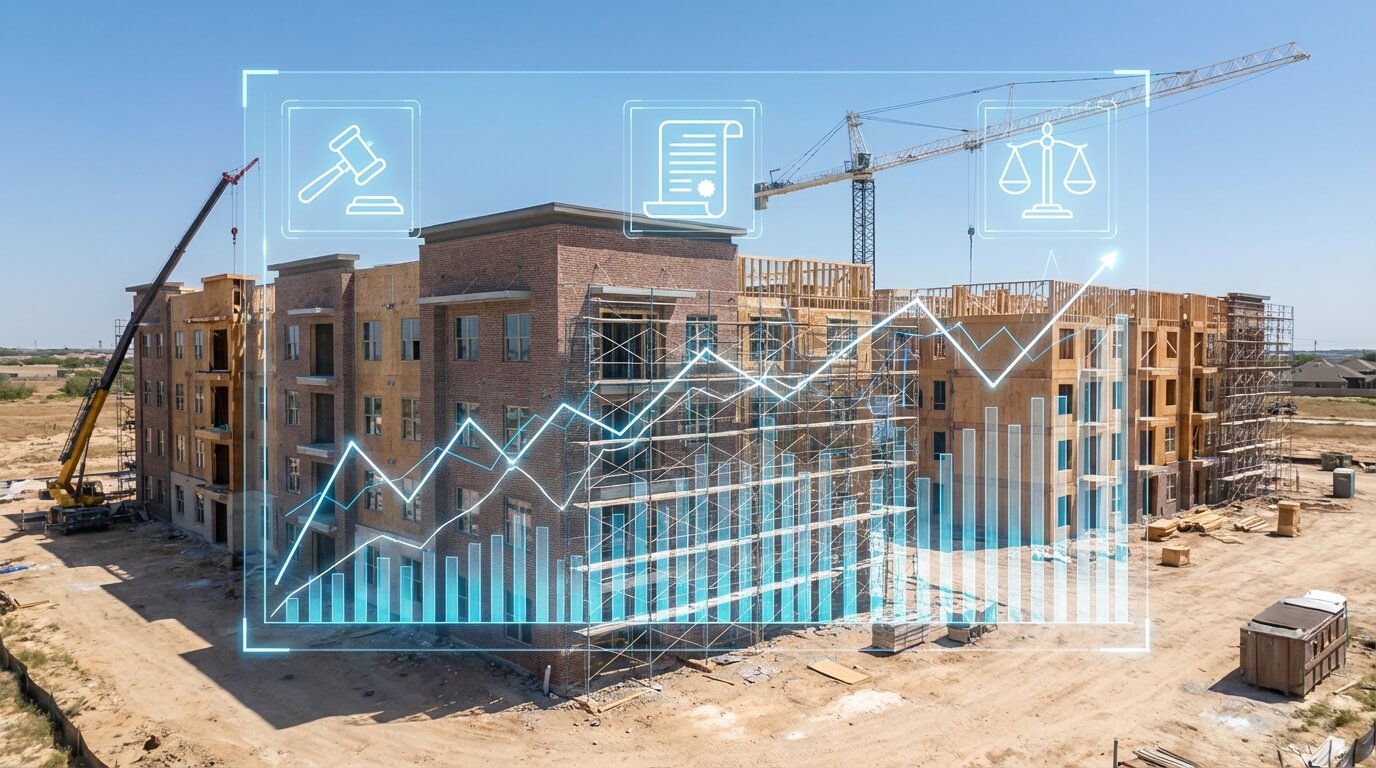
Texas’s multifamily real estate scene is evolving fast — and 2025 brings legislative updates, tech advances, and regional shifts that every investor and operator should know. For Lubbock stakeholders, understanding statewide momentum and local opportunities can mean the difference between growth and guesswork.
Key Legislative Changes Impacting Development
In 2025, several new laws are reshaping how and where multifamily projects get built in Texas. Senate Bill 840 (SB 840) is the most impactful. It lets developers build multifamily and mixed-use communities in commercial zones (like old office parks or warehouses) without needing a full rezoning — especially in larger cities. It also limits how much cities can regulate height, setbacks, and parking. The goal? Less red tape and more housing supply, faster.
House Bill 24 (HB 24) supports this momentum by simplifying the zoning change process. Meanwhile, HB 4306 refines how public facility corporations can be used in multifamily projects, helping clarify the rules for mixed public-private developments.
These updates send a clear message: Texas wants to keep building.
Texas Market Overview: A Tale of Two Trends
Despite legislative tailwinds, market conditions are mixed across the state. In major metros like Austin and Dallas–Fort Worth, supply has outpaced demand — at least temporarily. Austin rents are down 6.8% year over year, and DFW has dipped 0.4%.
But this oversupply is short-term. DFW's construction pipeline is at its lowest in a decade, and Texas is still gaining 400,000+ new residents a year. Rising home prices and mortgage rates are keeping more people in rentals, and with no state income tax or rent control, Texas remains a magnet for both renters and investors.
In this climate, investors should focus on fundamentals:
-
High-performing submarkets
-
Unique or upgraded amenities
-
Tenant retention strategies that go beyond price
AI & Property Operations: Efficiency Without Losing the Human Touch
AI is no longer a buzzword — it’s a tool property managers are already using. From automated rent collection and work order tracking to AI chatbots for multilingual communication, technology is helping teams do more with less. But balance is key.
Lubbock managers, like those at [Partner Example: Madera Residential], are combining automation with a strong local presence to meet tenant needs quickly and personally. The best tech won’t replace relationships — it should support them.
Why Lubbock Stands Out in 2025
While big-city markets cool, Lubbock is a buyer’s market — especially in single-family and small multifamily inventory. As of November 2025:
-
Median home price: $242,999 (down from $255,000 YOY)
-
Days on market: 66–84 days (up from 62)
-
Inventory: 8.1 months’ supply (vs. 3.6 statewide)
-
Price reductions: 37% of listings
Multifamily investors take note: Lubbock currently has 168+ multifamily and duplex listings, offering value-add potential at entry points lower than other Texas cities. Stable demand from Texas Tech students and healthcare workers gives Lubbock long-term upside, especially for renovated, well-managed properties.
Strategic Takeaways for Multifamily Pros
-
Developers: Use SB 840 and HB 24 to streamline site selection and permitting in cities with flexible zoning.
-
Investors: Watch long-term trends — Lubbock’s affordability and inventory make it ideal for buy-and-hold or renovation strategies.
-
Property managers: Adopt smart tech to free up time, but stay resident-focused. AI should enhance your service, not replace it.
Looking Ahead: Staying Flexible in a Shifting Market
The Texas multifamily market is changing, but not slowing. Legislative reforms, emerging tech, and local micro-markets like Lubbock offer opportunities for those who adapt. Whether you're acquiring, building, or managing — success in 2025 comes down to staying informed and staying nimble.