2026 State of the City: Key Takeaways for Lubbock
2026 State of the City: A Safer, More Affordable, and Energized Future
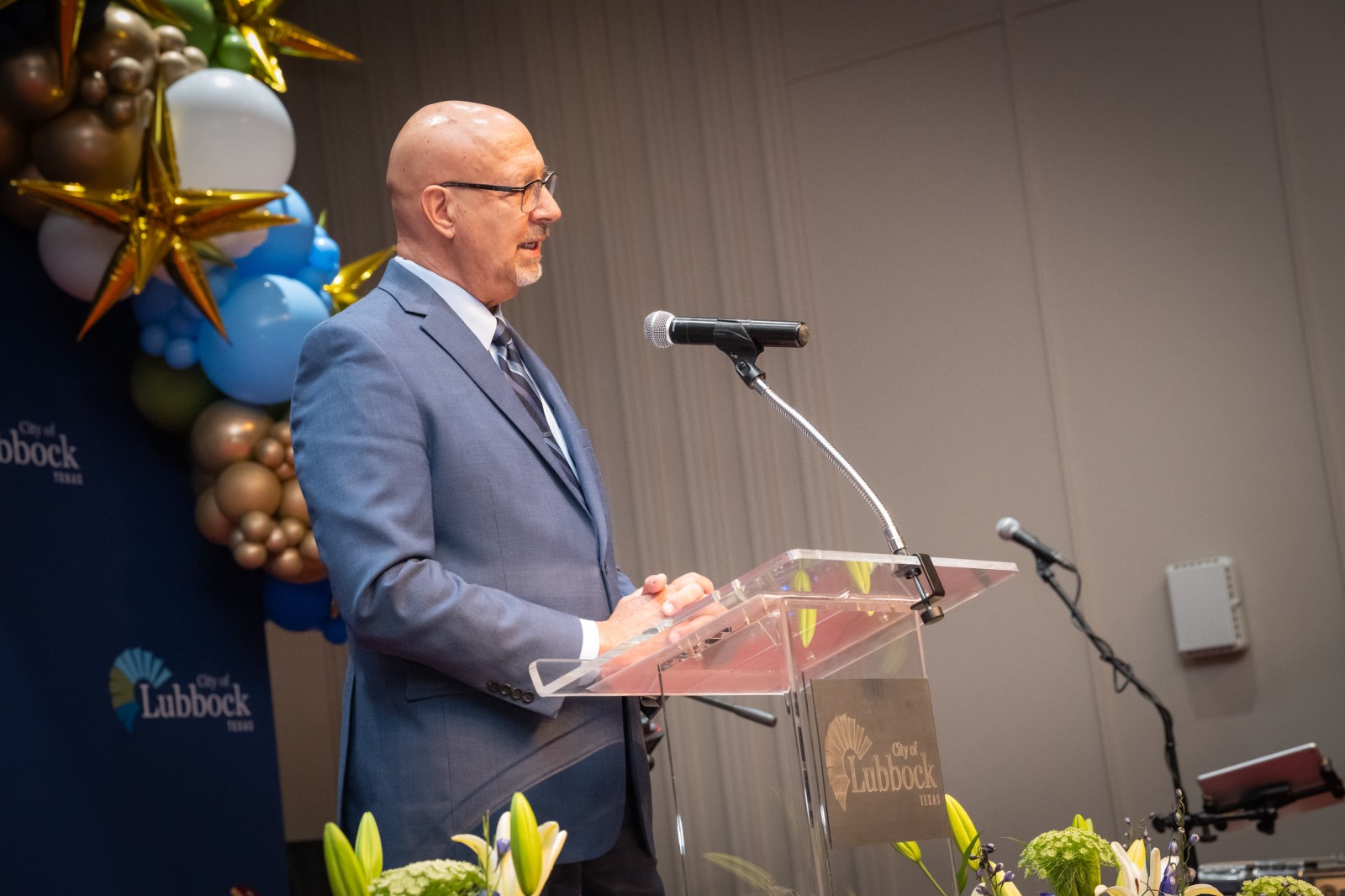
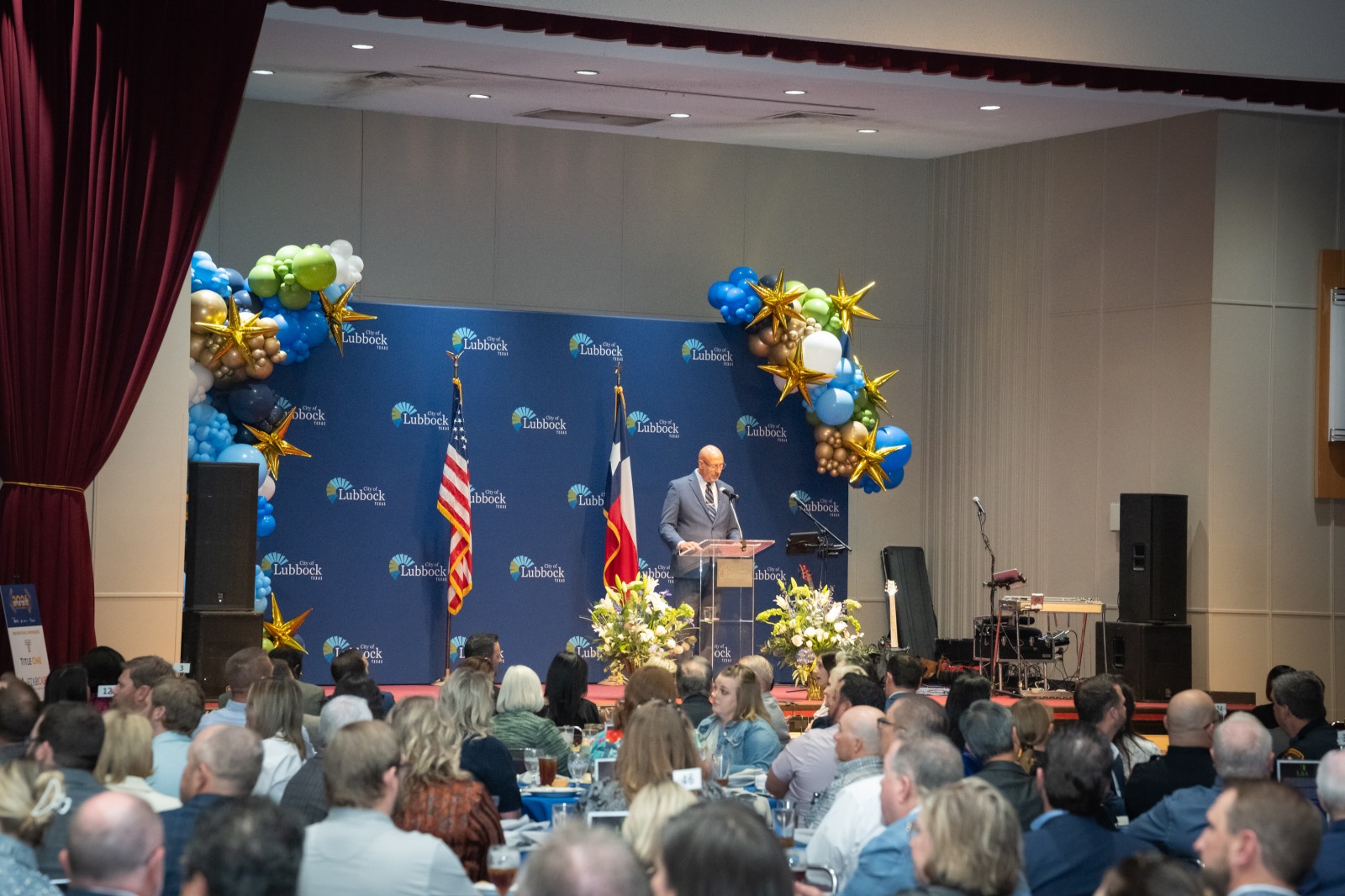
In his second year in office, Mayor Mark McBrier recently delivered the 44th annual State of the City address, sharing updates with community leaders, business owners, and residents about where the city stands today—and where it’s headed next.
Hosted by the Lubbock Apartment Association and made possible by our generous sponsors, the event highlighted the progress made over the past year and outlined an ambitious vision for the future.
The Mayor organized his message around three key themes that define the city today: safer, affordable, and energized.
Here are some of the most important takeaways from the 2026 address.
A Safer City
Public safety was a major focus of the Mayor’s remarks, with several encouraging statistics showing meaningful progress in reducing crime.
According to the latest data:
-
Burglaries dropped by 18%
-
Aggravated assaults decreased by 17%
-
Murders declined by 31%, the largest drop on record
City leaders attribute this progress to continued investments in public safety personnel, technology, and infrastructure.
Police Department Initiatives
The city has launched a lateral hire program to recruit experienced officers from other departments and plans to add additional patrol officers in the upcoming budget.
Another major development is the opening of a state-of-the-art Texas Anti-Gang (TAG) Center, designed to strengthen coordination between agencies and target gang and drug-related activity.
Fire Rescue Services
The Fire Department maintained its prestigious Class 1 rating, which helps keep homeowners’ insurance rates lower for residents across the community.
Last year alone, Fire Rescue responded to 27,000 emergency calls. To keep up with continued growth, plans are underway to build Fire Station Number 21, expanding emergency response coverage across the city.
Animal Services Improvements
One of the most common concerns reported by residents involves loose or dangerous dogs.
To address this issue, the city has:
-
Hired additional Animal Control officers
-
Updated the dangerous dog ordinance
-
Streamlined the investigation process
-
Increased owner accountability and liability
These changes aim to improve neighborhood safety while responding to a long-standing community concern.
Keeping Living Affordable
Despite national inflation and economic uncertainty, the city continues to stand out as an affordable place to live, work, and raise a family.
Several key indicators highlight this affordability:
-
The overall cost of living is 9% below the national average
-
Housing costs remain significantly lower than many comparable cities
-
The average home price is about 30% below the national average
The city also recently adopted a lower property tax rate of 47.2 cents per $100 valuation, helping maintain a relatively low tax burden for homeowners.
Earlier in the year, officials faced a temporary dip in sales tax revenue, which prompted a hiring freeze in non-public safety departments. However, revenue has since rebounded to 6% above projections, allowing the city to maintain its budget without reducing services.
For residents and housing providers alike, maintaining affordability remains a critical priority as the city continues to grow.
An Energized Community on the Grow
The city is experiencing steady growth and economic momentum.
Current projections estimate the population could reach 300,000 residents by 2030, while the local economy remains strong with an unemployment rate of just 3.4%.
Over the past year alone, the community added 8,000 new jobs, reflecting continued investment and opportunity across multiple industries.
To support this growth, several major infrastructure and development projects are underway.
Downtown Revitalization
Plans are moving forward to transform Broadway into a pedestrian-friendly corridor with mixed-use development, improved walkability, and distinctive historic red brick intersections.
Construction has also begun on Pickering Park, a new green space that will add vibrancy and community gathering opportunities in downtown.
Civic Center Expansion
The Mayor is advocating for a major expansion of the Memorial Civic Center, which would add approximately 60,000 square feet of exhibit space.
The project also includes a proposed nearby convention hotel, which could attract larger trade shows, conferences, and entertainment events to the city.
New Lakes and Parks
Long-term planning is underway for V8 Ranch Lake (Lake 7), a future water source and recreation area expected to be two-and-a-half times larger than Buffalo Springs Lake.
Construction is anticipated to begin filling the lake around 2032, positioning it as both a water infrastructure project and a regional recreational destination.
Transportation Improvements
The city continues investing in road infrastructure through the 2022 and 2024 street bonds, improving major corridors and mobility throughout the community.
One of the most anticipated developments is the upcoming opening of a new five-mile stretch of Loop 88, which will improve traffic flow and support future development on the city’s west side.
Celebrating Local Heroes
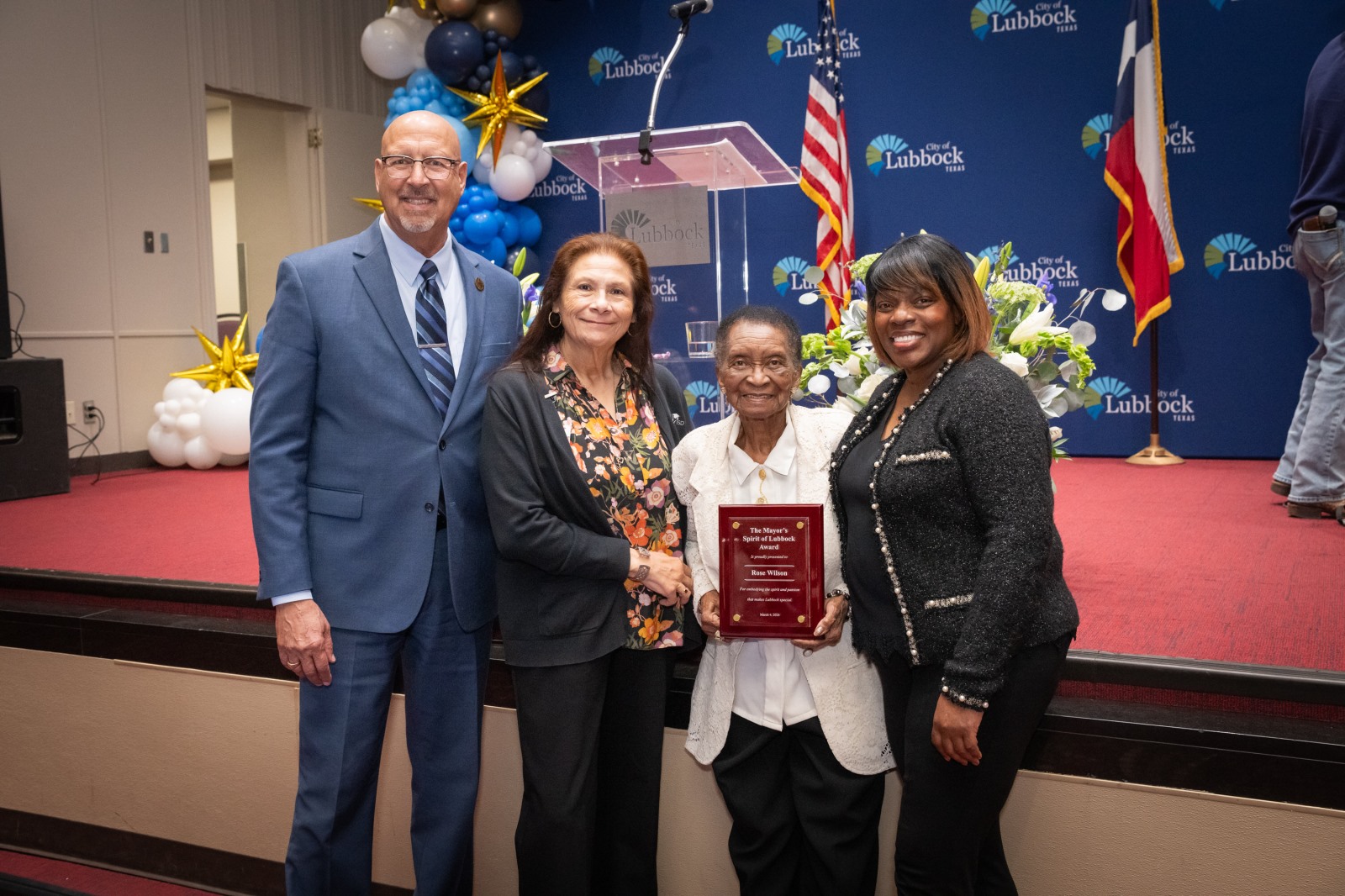
During the event, the Mayor also introduced a new recognition called the Mayor’s Spirit Award, designed to honor individuals who make a lasting impact on the community.
The first recipient was Rose Wilson, a 99-year-old community leader and former NAACP chapter president.
Wilson has spent decades advocating for food security, mentoring young people, and championing equality throughout the community. Her lifelong dedication to service made her a fitting choice for the inaugural award.
Looking Ahead
Closing the address, Mayor McBrier reflected on the community’s long history of resilience—from its early days on the “trackless” plains of West Texas to overcoming major challenges like the devastating F5 tornado.
As the city moves forward with major infrastructure projects and continued expansion of key institutions like Texas Tech University and the region’s healthcare systems, the outlook remains optimistic.
The message was clear: the community’s determination, work ethic, and willingness to invest in the future will continue to drive growth and opportunity in the years ahead.
For residents, businesses, and housing providers alike, the coming years promise to bring meaningful progress and new opportunities across the community.